Long before livestream shopping on TikTok and Instagram, millions of Americans were already buying products from their couches with the television remote in their hands.
QVC, short for "Quality, Value, Convenience," launched on November 24, 1986. Its first broadcast came from West Chester, Pennsylvania, where host Kathy Levine sold a shower radio to viewers across the country. The concept: demonstrate products live on television, give people a phone number to call, and keep the cameras rolling around the clock.
The idea proved remarkably successful.
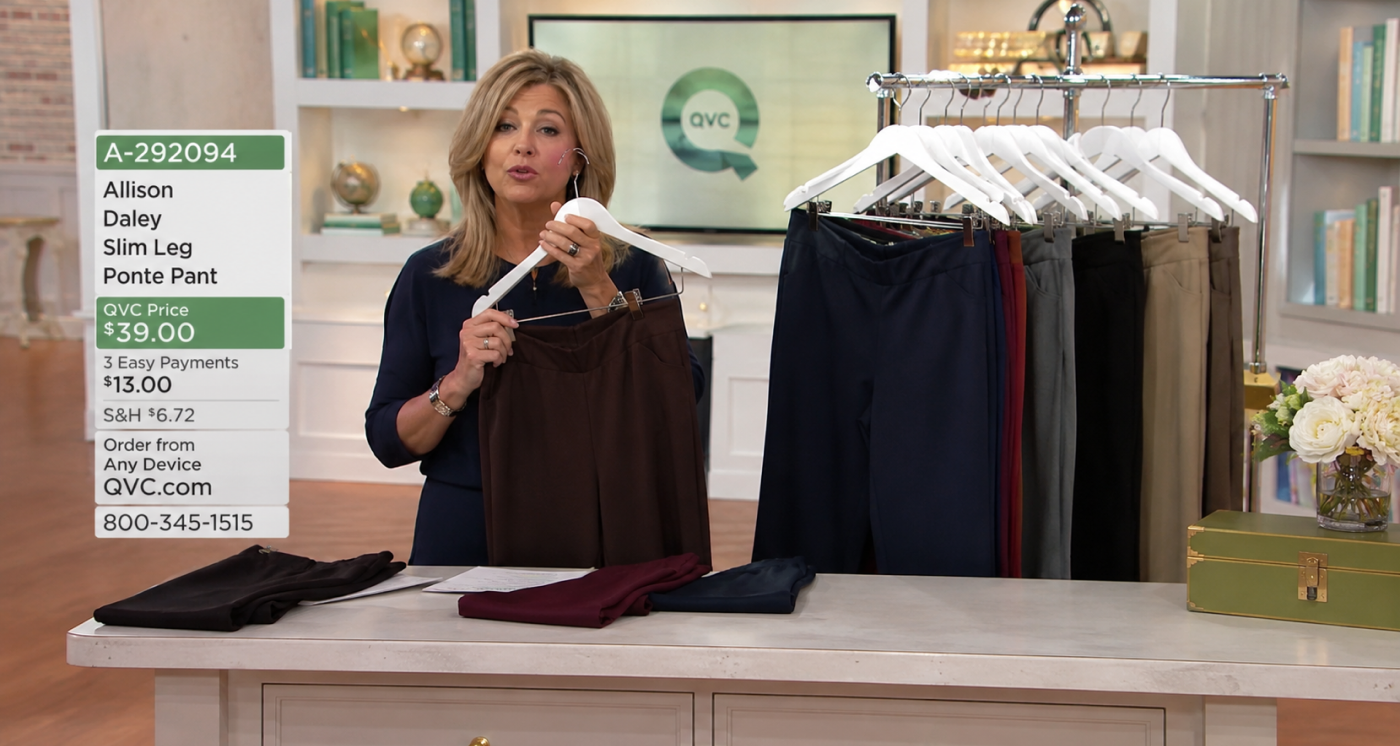
Unlike traditional television commercials that lasted thirty or sixty seconds, QVC gave products time to breathe. Hosts could spend ten or fifteen minutes explaining features, answering common objections, comparing products, and demonstrating exactly how they worked. Viewers felt like they were watching real conversations.
One of the people most responsible for QVC's rise was Joseph Segel, an entrepreneur who had already found success in direct marketing before founding the company. Segel believed television could create a more personal shopping experience than catalogs or department stores. His vision attracted investors, and within a few years QVC was reaching millions of households.
The network expanded quickly throughout the late 1980s and 1990s. It acquired competitors, added international channels, and eventually became one of the largest retailers in the world by revenue. Today, QVC reaches hundreds of millions of homes across multiple countries and has generated tens of billions of dollars in sales over its history.
Products alone didn't build that success.
QVC's hosts became trusted personalities. Figures like Kathy Levine, Joan Rivers, Lisa Robertson, and David Venable developed loyal followings because viewers felt like they knew them. They shared personal stories, joked with guests, admitted when products weren't for everyone, and often demonstrated items on themselves. That familiarity created credibility. Many shoppers tuned in as much for the hosts as for the merchandise.
The network also refined several sales techniques that are now common across ecommerce.
Live demonstrations removed uncertainty by showing products in real-world use. Limited inventory and countdown clocks created urgency without requiring a hard sell. Customer testimonials added social proof, while flexible payment options made larger purchases feel more approachable. Rather than overwhelming shoppers with dozens of choices, QVC often devoted an extended segment to a single featured product, allowing viewers to understand its value before deciding.
Perhaps most importantly, QVC understood that people enjoy watching someone who genuinely enjoys what they're selling. Energy, storytelling, and authenticity often mattered as much as product knowledge.
The influence of that approach is easy to see today. Livestream shopping has become a multibillion-dollar industry, with creators demonstrating products on platforms like TikTok, YouTube, and Amazon Live. The technology has changed dramatically since 1986, but many of the techniques remain familiar: live interaction, product demonstrations, personality-driven presentations, and the feeling that you're shopping alongside someone you trust.
Nearly forty years after its first broadcast, QVC remains one of the clearest examples of a simple truth in sales: people are often persuaded not just by the product itself, but by seeing someone confidently show them why it belongs in their lives.