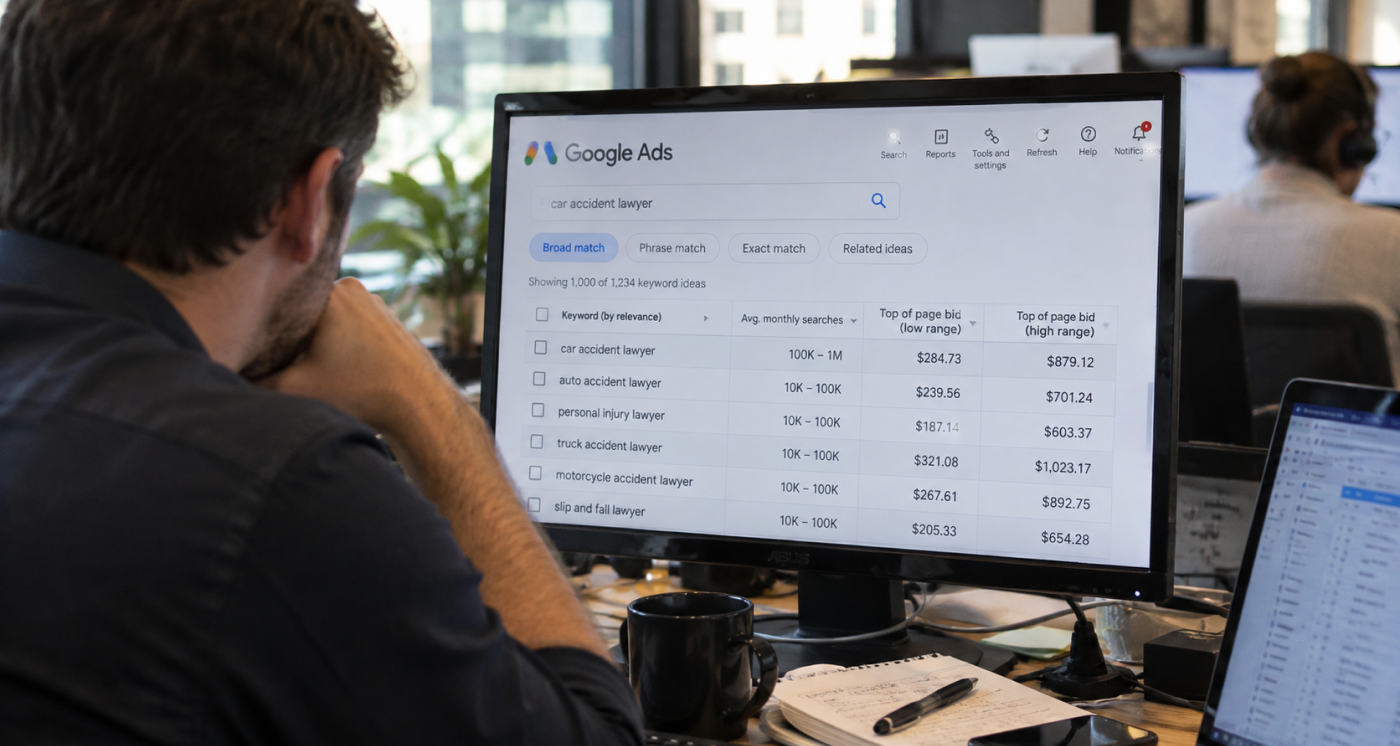
Every salesperson knows the frustration of chasing a lead that goes nowhere. But imagine paying $500 just for the opportunity to make that call.
In some industries, that's perfectly normal.
Businesses spend billions of dollars every year acquiring prospective customers, and in certain sectors, a single lead can cost hundreds or even thousands of dollars. The economics can seem insane until you consider how much one successful sale might be worth.
For decades, companies generated leads through newspaper advertisements, direct mail, telemarketing, television commercials, and good old-fashioned networking. Some businesses bought lists of names and phone numbers, then handed them to salespeople and told them to get dialing.
Today, the process is considerably more sophisticated. Google searches, social media advertising, comparison websites, specialized lead brokers, and sophisticated tracking software have transformed lead generation into a massive industry of its own.
And in some markets, the competition for a potential customer's attention is fierce.
Personal Injury Law: 300- 1,000+ Per Lead
Personal injury attorneys are among the biggest spenders in lead generation. A single successful case can generate tens or hundreds of thousands of dollars in legal fees, making qualified prospects extremely valuable.
Law firms compete aggressively for Google searches like “car accident lawyer near me.” Some highly competitive keywords can cost hundreds of dollars per click, even if the person never contacts the firm.
According to industry pricing data, exclusive motor vehicle accident leads can cost approximately 585–1,105 each. And that's just for a potential client, not a signed case.
Mortgages: 20-150+ Per Lead
Mortgage companies once relied heavily on real estate agent referrals, direct mail, newspaper advertising, and purchased prospect lists.
Today, comparison websites, search advertising, and online mortgage calculators help generate leads. Consumers enter their information looking for rates, and that information can be passed to participating lenders.
Fresh shared leads commonly sell for 20–100, while exclusive leads can command 50–150 or more.
The catch? A shared lead might be sold to several competing lenders. By the time the fifth loan officer calls, the prospect may already be regretting ever requesting a quote.
Insurance: 5-200+ Per Lead
Insurance companies have been buying leads for decades, historically through direct mail, telephone marketing, and agents cultivating local referral networks.
Modern insurance lead generation relies heavily on quote-comparison websites, Google advertising, and lead aggregators.
Basic auto insurance leads might sell for 5–30 when shared, while exclusive commercial insurance prospects can cost $200 or more.
The price difference comes down to potential customer value. A driver shopping for minimum-coverage auto insurance is worth considerably less than a business owner seeking an expensive commercial policy that could renew for years.
Home Services: 50-300 Per Lead
Roofers, HVAC contractors, and solar installers face a similar problem.
A new roof or HVAC installation can generate thousands of dollars in revenue, so contractors compete aggressively for homeowners actively seeking estimates.
Google, Facebook, specialized marketplaces, and local service advertising generate much of this demand. Fresh exclusive leads in higher-ticket home services can sell for 50–300.
Of course, paying $200 for a roofing lead is considerably less appealing when the homeowner is collecting six estimates and plans to choose the cheapest.
The Economics of an Expensive Lead
What makes a lead expensive isn't simply the cost of advertising. It's the combination of competition, purchase intent, potential revenue, and exclusivity.
A $500 lead that converts into a $20,000 customer can be a bargain. A $20 lead that never answers the phone is a complete waste.
And as digital advertising becomes increasingly competitive, salespeople in these industries face an unusual kind of pressure: before they've even picked up the phone, their employer may already have spent hundreds of dollars just to give them a chance.
For anyone who has ever complained about the quality of their CRM leads, imagine having to explain why you burned through $5,000 calling ten people who weren't interested.