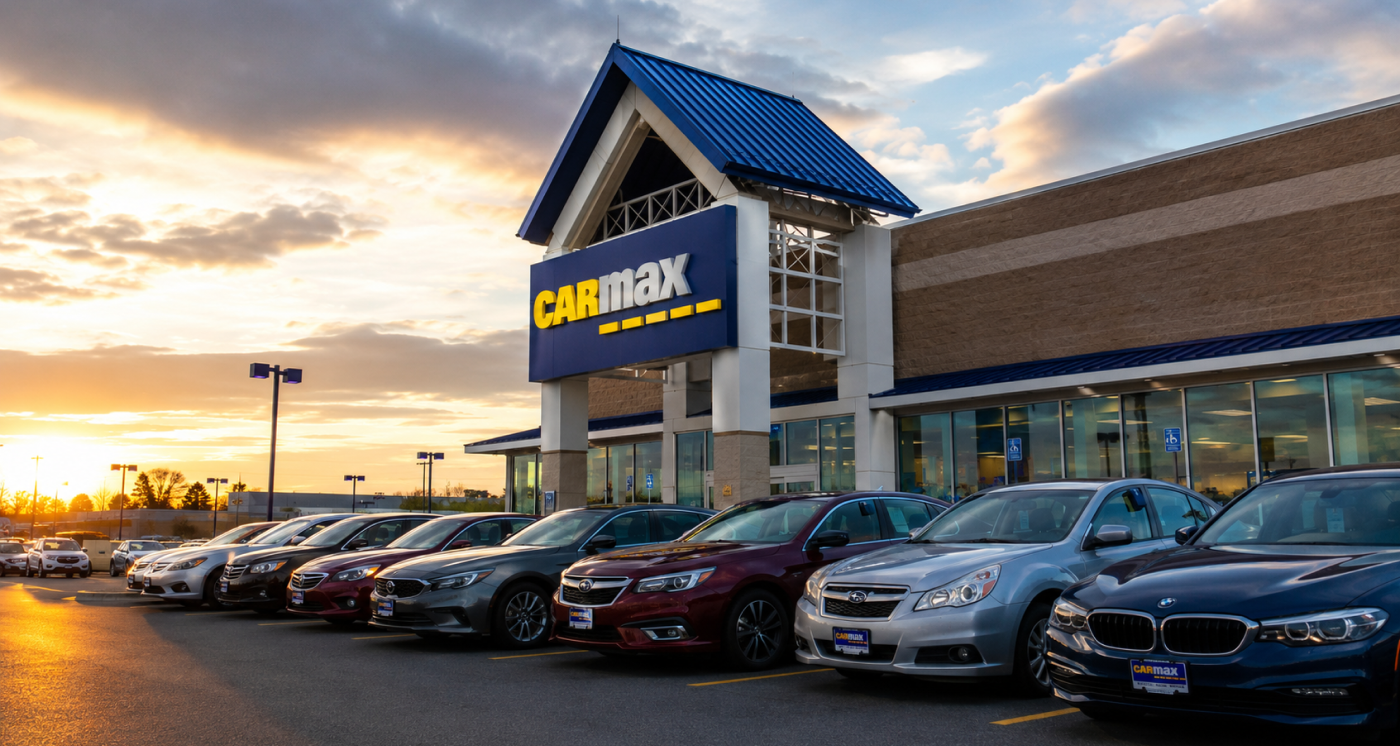
Few companies have changed the way Americans buy used cars as much as CarMax.
It didn't invent the used-car business, and it certainly didn't eliminate every frustration that comes with buying a vehicle. But by introducing fixed prices, large inventories, and a more transparent buying experience, CarMax challenged decades of dealership tradition and helped reshape one of the country's biggest retail industries.
Today, the company is the nation's largest retailer of used vehicles, selling hundreds of thousands of cars each year. But when the idea was introduced in the early 1990s, many people in the automotive industry believed it would never work.
The concept actually began inside Circuit City. Yes, that’s right. At the time, the electronics retailer was looking for ways to expand beyond televisions and stereos. Circuit City CEO Richard Sharp encouraged executives to think big, and a small team began studying industries that frustrated consumers. Buying a used car consistently ranked near the top.
The team spent months interviewing customers, visiting dealerships, and analyzing why so many people dreaded the experience. Their conclusion was simple: shoppers wanted selection, transparency, and less pressure.
The first CarMax store opened in Richmond, Virginia, in 1993. It looked more like a warehouse than a neighborhood used-car lot. Hundreds of vehicles sat side by side, each with a clearly displayed no-haggle price. Customers could browse at their own pace without wondering whether the person standing next to them had negotiated a better deal.
The fixed-price model was one of CarMax's biggest departures from industry norms. Negotiation had long been considered part of buying a car. Many dealers worried that customers would reject fixed pricing because they enjoyed bargaining—or at least expected to.
Instead, many buyers appreciated knowing exactly what the car would cost before speaking with anyone.
CarMax also invested heavily in vehicle inspections and standardized reconditioning. Every car went through a detailed process before reaching the lot, helping build confidence in a category where trust had often been in short supply.
The sales process changed as well. Rather than pushing individual vehicles, sales consultants focused on helping customers find the right fit from a large inventory. Compensation structures evolved over time, but the company's culture placed a greater emphasis on customer satisfaction than high-pressure negotiation.
Growth came steadily throughout the 1990s. Circuit City continued opening locations across the country before eventually spinning CarMax into its own publicly traded company in 2002. The separation allowed CarMax to focus entirely on automotive retail while Circuit City struggled against growing competition in consumer electronics.
Ironically, Circuit City would file for bankruptcy just seven years later. CarMax, the side project that many considered an experiment, continued expanding.
The company also embraced technology earlier than many competitors. Long before online car buying became common, customers could search inventory across multiple locations, compare vehicles online, and transfer cars between stores. Later, CarMax added online appraisal tools, digital financing, and home delivery options that blended traditional retail with e-commerce.
The success of CarMax reshaped the used-car business. National chains such as Carvana, Vroom, and EchoPark would later build their own versions of simplified buying experiences, while many traditional dealerships adopted fixed-price programs and greater pricing transparency to remain competitive.
Today, CarMax operates well over 200 stores across the United States and has become one of the country's most recognizable automotive retailers.